ynbMOIBg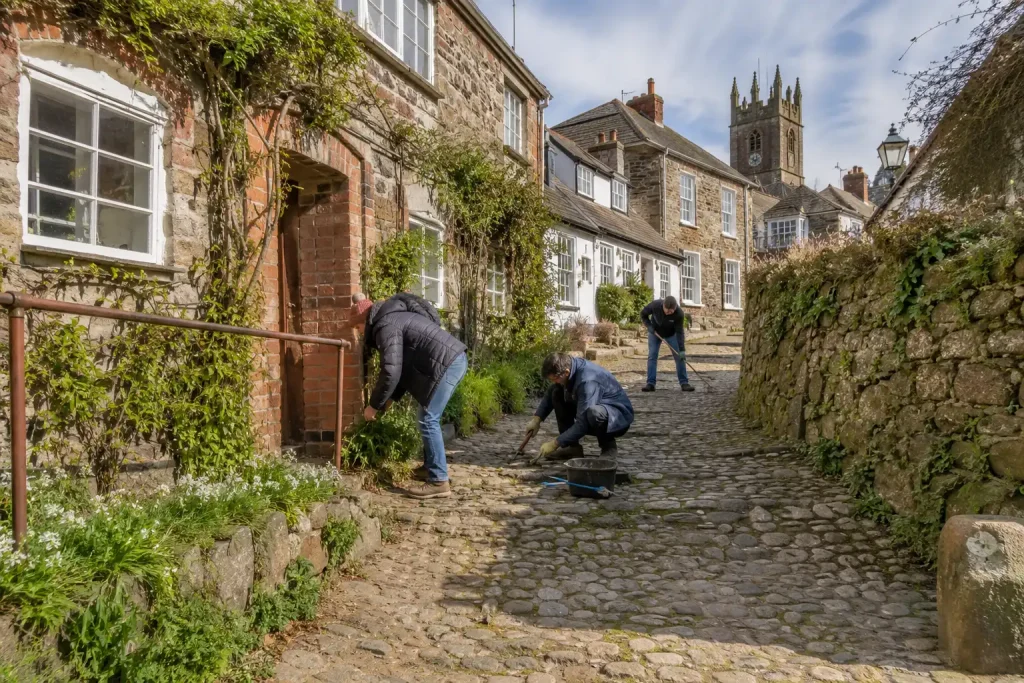
The South West of England has a distinctive sense of place shaped by centuries of history. From Cornwall’s mining landscapes and Devon’s traditional villages to Somerset’s historic market towns, Dorset’s ancient sites, Wiltshire’s archaeology and Bristol’s industrial heritage, the region contains an unusually broad mixture of cultural, architectural and natural heritage.
Protecting this heritage is not simply the responsibility of national organisations or local councils. Across the South West, residents, volunteers, charities, historical societies and community groups are becoming directly involved in deciding what should be preserved and how historic places can remain useful.
Community-led conservation can take many forms. Some groups raise money to repair historic buildings, while others record oral histories, protect landscapes, preserve traditional skills or campaign for important local assets. The common goal is to ensure that local heritage remains relevant to the people who live alongside it.
Why Local Heritage Matters to South West Communities?
Heritage contributes to the identity of towns, villages and rural communities. An old harbour, market hall, chapel, mine, stone wall or traditional orchard may appear ordinary to outsiders, but it can represent generations of local experience.
Historic England highlights the importance of communities being involved in decisions about their historic environment, including through local plans, neighbourhood planning and local heritage lists. These mechanisms can give residents opportunities to identify places they believe contribute to local character.
Heritage can also provide wider benefits. Well-maintained historic places can support tourism, independent businesses and local employment while making communities more attractive places in which to live and work.
The National Lottery Heritage Fund notes that community heritage projects can bring people together, build pride and help preserve stories and traditions. Since 1994, it has awarded more than £510 million to over 24,600 community and cultural heritage projects across the UK.
Restoring Historic Buildings Rather Than Losing Them
One of the most visible ways communities protect heritage is by helping historic buildings survive.
Finding New Uses for Old Buildings
A building is often easier to preserve when it still serves a practical purpose. Instead of treating heritage properties purely as monuments, communities are increasingly exploring ways to give them sustainable new uses.
An old school could become a community centre, a redundant agricultural building might support local activities, and a historic commercial property could find new life as workspace or accommodation. In Devon, for example, repairs to a historic farm building at Lupton House enabled plans for a new community use connected with a garden project.
Historic England also provides guidance for communities interested in taking responsibility for buildings previously managed by public authorities. Community asset transfers and Assets of Community Value can potentially help prevent valued landmarks from falling into decay or being put to inappropriate uses.
Fundraising for Conservation
Historic buildings can be expensive to maintain. Traditional materials, specialist surveys and skilled craftspeople can make even relatively modest repairs costly.
Communities therefore often combine local fundraising with grants from heritage organisations and other funding bodies. The National Lottery Heritage Fund supports projects involving repairs, historic building reuse, conservation skills and community archaeology, with its wider heritage grant programme supporting eligible projects from £10,000 to £10 million.
Recording Local Stories Before They Disappear
Not every part of heritage is made from stone, timber or brick. Memories, dialects, traditions, photographs and personal experiences can be equally important.
Oral History and Community Archives
Older residents may hold knowledge that cannot be found in official records. They might remember former industries, shops, fishing practices, farming traditions, wartime experiences or local celebrations.
Community heritage projects can record interviews and collect photographs, documents and personal accounts before that knowledge disappears. Digital technology has made it easier to preserve these materials and make them accessible to future generations.
The South West Heritage Trust’s ongoing cultural programme works with communities to explore cultural heritage and local distinctiveness. Its “Stories that Make Us” programme has been extended until March 2027, creating additional opportunities for communities to engage with heritage in different ways.
Readers interested in regional culture, places and community stories can also explore www.southwestmag.co.uk, where South West topics can be viewed within their wider local context.
Protecting Historic Landscapes and Natural Heritage
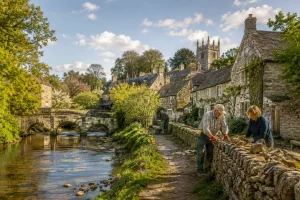
The South West’s heritage extends beyond buildings. Ancient field boundaries, orchards, woodland, coastlines, mining areas, canals and river valleys all help explain how communities developed.
Community Landscape Projects
Landscape conservation works particularly well when residents, farmers, landowners, conservation organisations and local authorities cooperate.
The Tamara Landscape Partnership Scheme in the Tamar Valley provides an example. Its projects aim to bring communities together, conserve landscape character and help local people identify, research and protect heritage that matters to them. Its work covers subjects ranging from historic buildings and oral history to heritage orchards and woodland landscapes.
Cornwall is also seeing projects that connect natural and cultural heritage. In 2026, a Landscape Connections initiative supported through the National Lottery Heritage Fund was highlighted for its aim of restoring habitats while encouraging communities to become long-term stewards of Cornwall’s natural and cultural heritage.
Using Planning Rules to Protect Local Character
Community involvement in the planning system is another important form of heritage protection.
Neighbourhood Plans and Local Heritage Lists
Residents do not necessarily have to wait until a historic building is threatened before becoming involved. Communities can contribute to neighbourhood planning and help identify locally significant heritage assets.
Local heritage lists can recognise buildings, structures and places that contribute to community identity even when they do not have national listed status. Historic England explains that communities can become involved in developing selection criteria and nominating assets for inclusion.
This proactive approach can make heritage part of discussions about future development rather than an issue considered only when demolition or major alteration is proposed.
Passing Traditional Skills to a New Generation
Protecting a historic building requires more than funding. It also requires people who understand traditional construction.
Keeping Heritage Crafts Alive
Skills such as lime plastering, stone masonry, timber repair, thatching and traditional joinery remain important throughout the South West. If these skills decline, maintaining historic buildings becomes increasingly difficult and expensive.
Heritage projects can create opportunities for apprentices, volunteers and young people to gain practical experience. Historic England specifically supports heritage-related training and skills initiatives, alongside projects that help communities champion their historic environment.
Heritage skills therefore have an economic dimension as well as a cultural one. Training can create specialist employment while building the workforce required to care for historic places over the long term.
How Different Community Actions Protect Heritage
| Community action | What it can protect | Long-term benefit |
|---|---|---|
| Restoring historic buildings | Architecture and landmarks | Prevents deterioration and supports reuse |
| Recording oral histories | Memories and traditions | Preserves knowledge for future generations |
| Community archaeology | Historic and prehistoric sites | Improves understanding of local history |
| Landscape conservation | Orchards, woodland and historic landscapes | Protects environmental and cultural character |
| Heritage skills training | Traditional crafts | Builds future conservation capacity |
| Local heritage lists | Locally significant places | Strengthens recognition in planning |
| Community events | Customs and shared history | Encourages participation and local pride |
Making Heritage More Accessible
Preservation has limited value if communities cannot experience or understand what has been protected.
Museums, Events and Digital Access
Local museums, libraries and archives are increasingly using exhibitions, workshops, digital collections and community programmes to make heritage more accessible. Schools can participate in archaeology projects, families can attend heritage events, and residents can contribute their own stories to local collections.
Community-led interpretation can also broaden the historical record. Instead of concentrating exclusively on prominent buildings or famous individuals, projects can document the experiences of workers, migrants, families and communities whose stories may previously have received less attention.
The result is a richer picture of South West history and a stronger connection between heritage organisations and the people they serve.
The Challenges Facing Community Heritage Projects
Despite strong local enthusiasm, heritage protection is not always easy.
Funding is one of the largest difficulties. Historic properties can require continuous maintenance, and small volunteer organisations may struggle with rising construction and operating costs.
Volunteer capacity is another challenge. Projects frequently depend on a relatively small number of committed people who must manage fundraising, administration, events and conservation work.
Climate change adds another layer of complexity. Coastal erosion, flooding, stronger storms and changing environmental conditions can threaten archaeological remains, historic landscapes and older buildings.
There is also a need to balance conservation with modern requirements. Communities want historic places protected, but buildings may still need improved accessibility, energy efficiency and facilities if they are to remain useful.
Heritage Protection Works Best When Communities Participate
Perhaps the most important change in heritage conservation is the growing recognition that communities should not simply be audiences for heritage projects. They can be active participants in them.
Historic England’s community guidance encourages residents to understand planning, nominate local heritage, work collectively and explore ways of taking responsibility for valued buildings and places.
When local people participate, conservation becomes more than repairing old structures. It becomes a way of connecting generations, strengthening local identity and deciding what aspects of a community’s story should survive.
Conclusion
South West communities are protecting their local heritage through a combination of conservation, volunteering, fundraising, planning involvement, historical research and education. They are restoring buildings, recording memories, safeguarding landscapes and passing traditional skills to younger generations.
The most successful projects also recognise that preservation cannot mean freezing a place in time. Historic buildings need viable uses, traditions need people to practise them, and local stories need to be accessible to new audiences.
Across Cornwall, Devon, Somerset, Dorset, Wiltshire, Gloucestershire, Bristol and the wider South West, community participation is helping heritage remain part of everyday life. By combining professional conservation expertise with local knowledge and enthusiasm, communities can protect what makes their area distinctive while ensuring that its history continues to have meaning for generations to come.